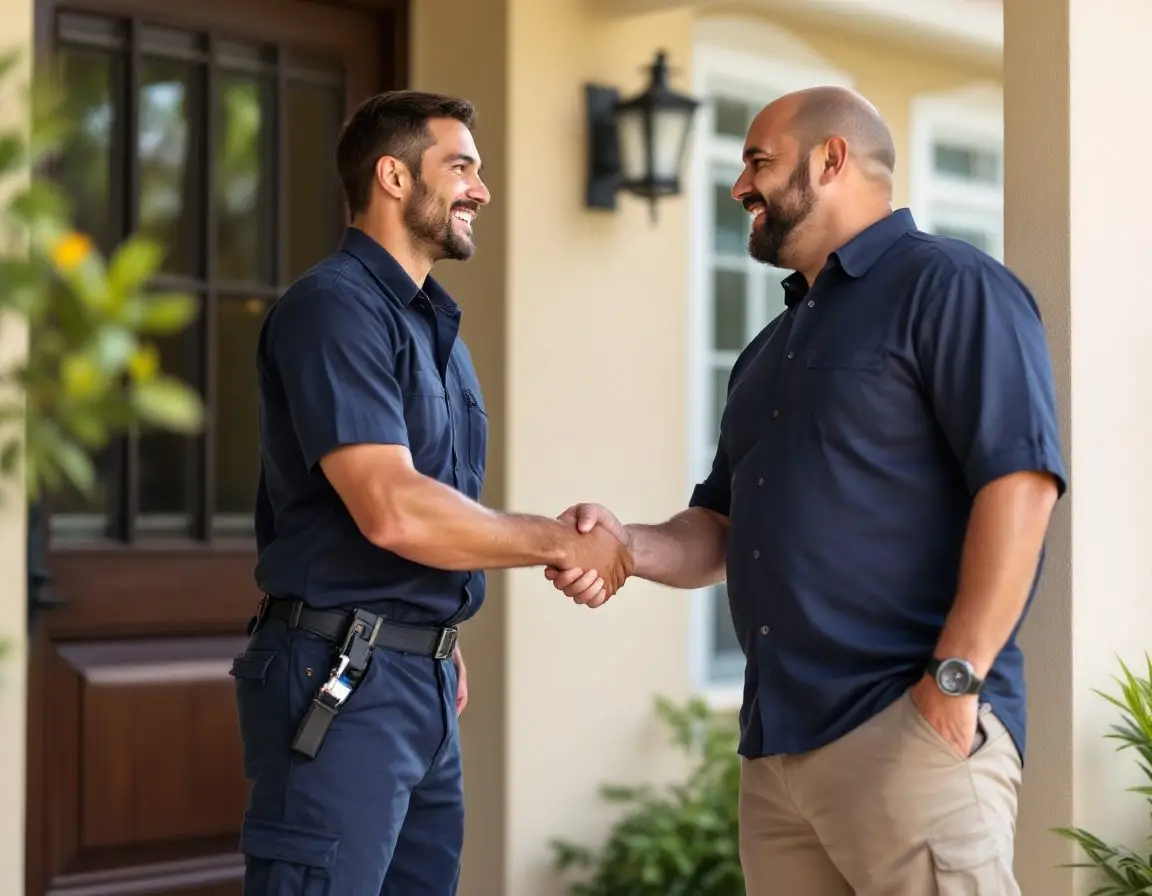
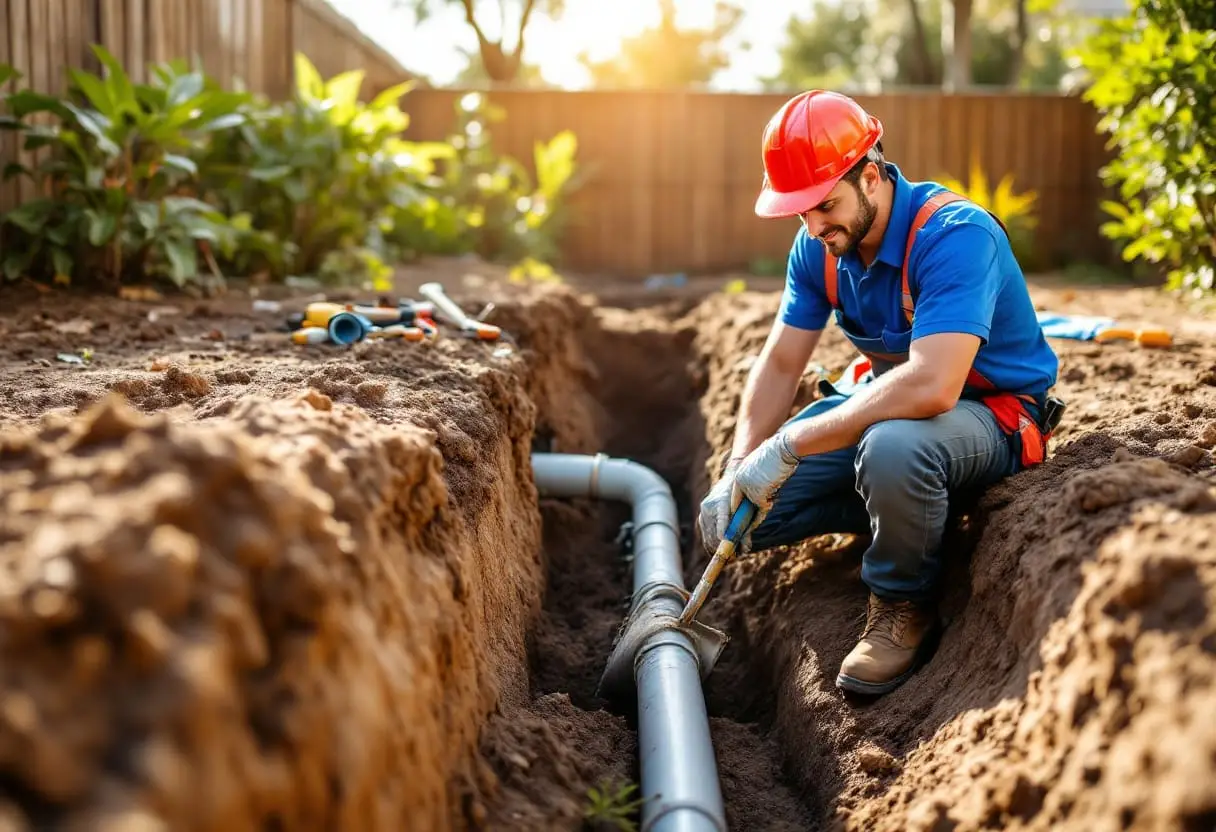
Older cast iron benefits from a documented look
A cast iron lateral from before the 1990s ages unevenly, and a camera inspection shows exactly which sections have held up and which have not.
Sewer camera inspection, Lauderhill base
A waterproof camera runs the length of the line and shows exactly what is inside it, on a screen, in real time.
What does a sewer camera inspection actually show, and when is it worth doing?
A camera inspection feeds a waterproof, lighted camera on a flexible cable down a cleanout or access point and through the line, recording what the pipe looks like from the inside: root intrusion, cracks, offset joints, scale buildup, a collapsed section, or simply a line in better shape than anyone expected. It is the difference between guessing at what is wrong underground and actually watching it happen on a screen.
It is worth doing before buying a home with an older sewer line, before a major landscaping or driveway project near where the lateral runs, after a recurring backup that cabling alone has not solved, or simply to confirm a line’s condition before deciding whether it needs attention at all. The footage itself becomes part of the record, so a homeowner or buyer has something concrete rather than a description alone.
When to ask for one
Some of these are precautions. A few are worth doing before signing anything.
A camera inspection ahead of closing can confirm the lateral’s condition and catch a costly surprise before it becomes the new owner’s problem.
When clearing a line does not stop the backups from coming back, a camera look often reveals a structural cause a cable alone cannot fix.
Knowing exactly where the lateral runs and what condition it is in avoids an expensive surprise partway through a construction project.
When a fixture drains slowly and nothing on the surface explains it, a camera inspection can locate the problem well below ground.
After a repair or a relining job, running the camera through again confirms the fix holds before calling the job finished.
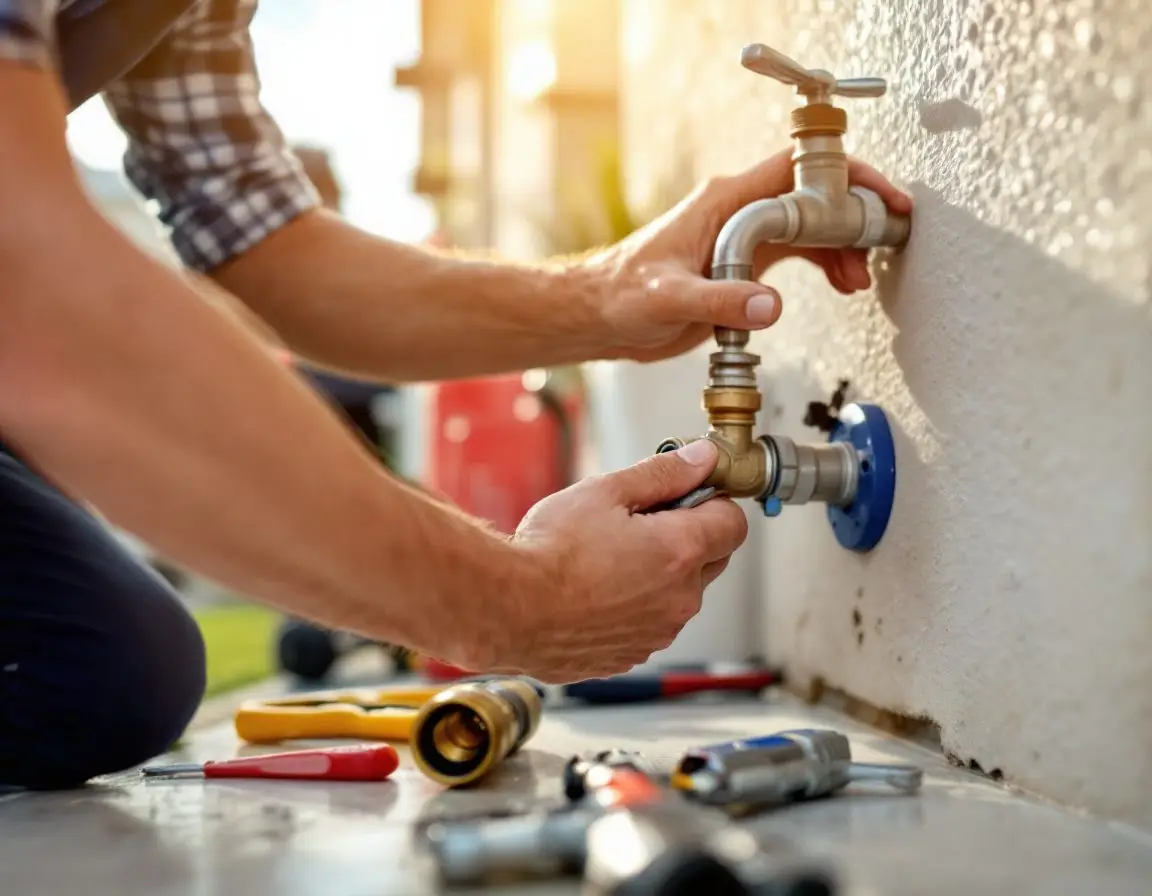
Built for this housing stock
Older cast iron, mature landscaping and a shallow water table all raise the stakes of not knowing.
A cast iron lateral from before the 1990s ages unevenly, and a camera inspection shows exactly which sections have held up and which have not.
Established trees around older Lauderhill properties send roots toward sewer lines through the smallest available gap, and a camera confirms how far it has spread.
Because groundwater sits close to the surface here, a small crack can let water in or sewage out faster than it might in a drier climate, so catching it early matters more.
From the neighborhood
Real reviews from the Google Business Profile, rated five stars by forty-five neighbors so far.
Read straight from the Google Business Profile on August 30, 2026. Counted, not estimated.
Open the Google profileSome of the garage drain pipe was partially obstructed, slowing drainage. After clearing the line with the right equipment, the technician tested flow. Improvement was instantaneous and the garage remained tidy.
We called because it was taking a long time for our water heater to heat up. Shortly after checking the controls and heating parts, the expert found the problem. Once the fix is done, hot water is available a lot faster.
We decided to replace our old toilet because it was breaking down often and needed too many repairs. Plumbing expert helped set up the new unit and made sure it was level and sealed well. …
Before you call
Most residential inspections finish within thirty to sixty minutes, depending on the length and accessibility of the line being checked.
Both. The inspection is recorded, and what the camera finds gets explained in plain terms as it happens.
For an older line, or ahead of a home purchase, yes. It confirms the condition rather than assuming it, which is worth knowing either way.
In most residential setups, yes, from a cleanout or access point all the way to the connection point at the street.
See it, don’t guess it
Recorded footage, explained in plain terms, before any repair decision gets made.
There’s no obligation to book anything. If your water is running right now, though, a phone call still beats waiting on this form.